The NBA Put A Trapdoor Under The Basement, And Golden State Should Send A Fruit Basket
The new 3-2-1 lottery gives the three worst teams worse odds than the seven teams above them. For a franchise that could never have tanked properly anyway, that is the most useful rule change in twenty years.
Here is the whole thing in one sentence, and then we can do the arithmetic that makes it true: the NBA has made finishing last worse than finishing eighth-worst, on purpose, starting with the 2027 draft.
Not "less rewarding." Worse. A team that bottoms out completely now draws fewer lottery balls than a team that was merely bad, and it can slide as far as the twelfth pick when the envelopes come out. The league's own term for this is draft relegation, which is a phrase borrowed from a sport where finishing last gets you thrown out of the league entirely, and which tells you roughly how the Board of Governors feels about the last decade.
They voted for it 29-1.
The 3-2-1, and where the name comes from#
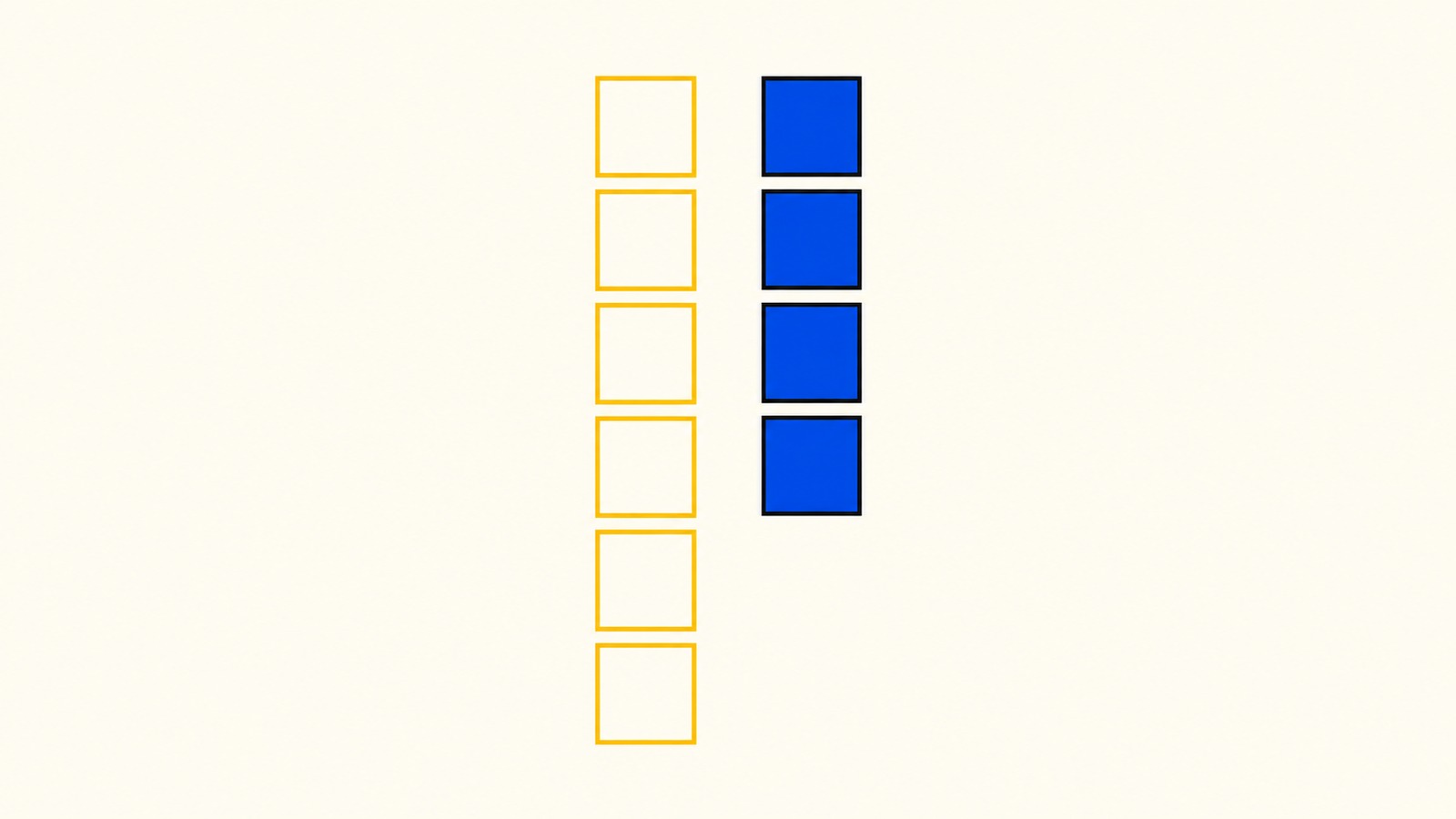
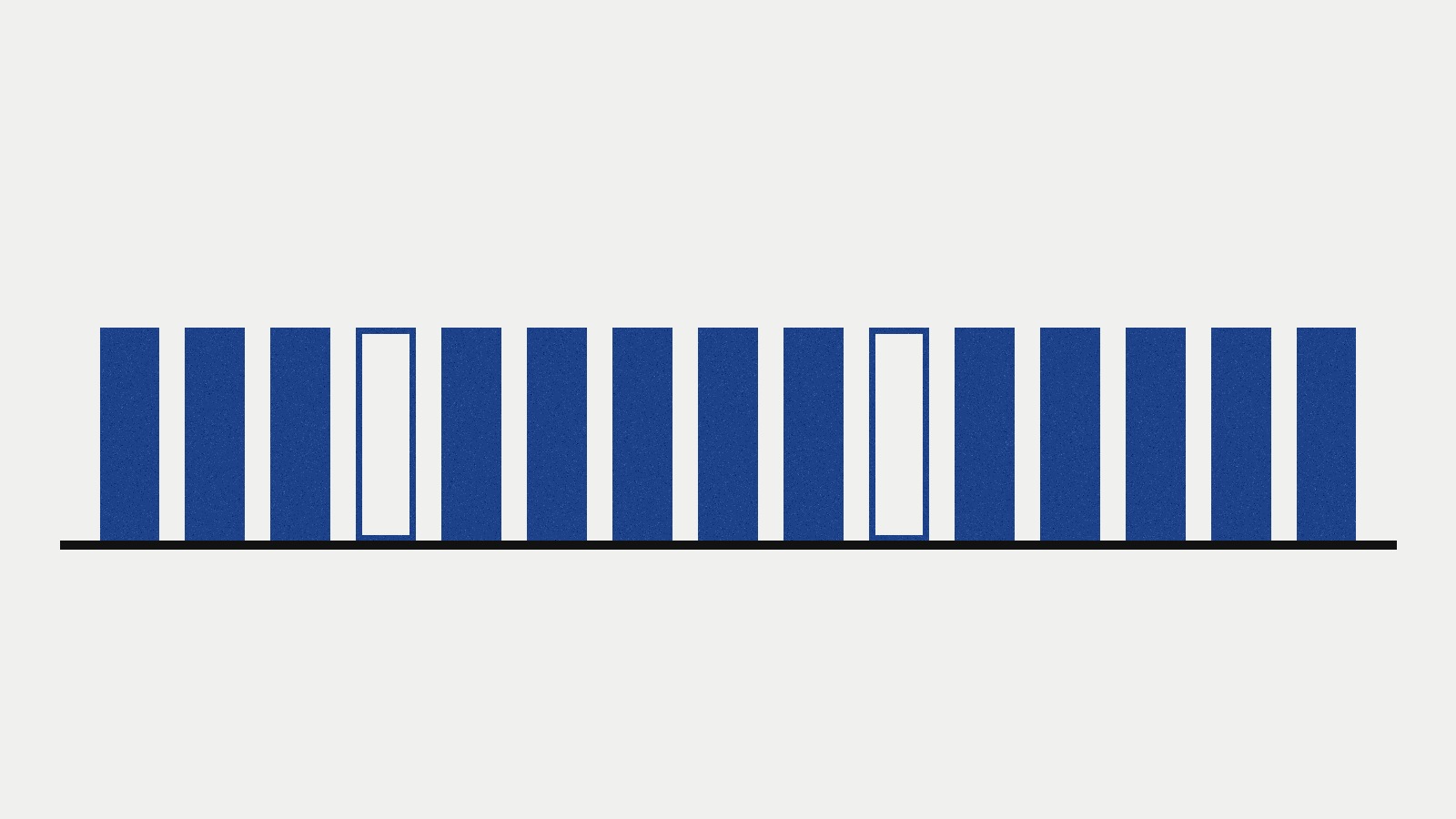
The lottery goes from 14 teams to 16. Every team in it gets three lottery balls, two, or one, which is where the nickname comes from, and the distribution is the entire story:
| Group | Teams | Balls each | Odds at No. 1 |
|---|---|---|---|
| Three worst records (the relegation zone) | 3 | 2 | 5.4% |
| Everyone else who missed the play-in | 7 | 3 | 8.1% |
| The four teams in the 9-vs-10 games | 4 | 2 | 5.4% |
| The two losers of the 7-vs-8 games | 2 | 1 | 2.7% |
Thirty-seven balls, sixteen teams, and one line in there that reorganizes the incentives of the entire league.
Look at rows one and two. The seven teams that were bad-but-not-catastrophic draw 8.1 percent. The three teams that were genuinely, competitively, spreadsheet-optimizingly awful draw 5.4 percent. Being the worst team in basketball is now a strictly dominated strategy. You get fewer balls than the guys who beat you, and you get a trapdoor: the bottom three can fall to No. 12.
There are two more clauses that matter and got less attention. A team cannot win back-to-back lotteries. And a team cannot pick inside the top five in three consecutive drafts, which is a rule with San Antonio's fingerprints on it, since the Spurs picked first, fourth and second from 2023 to 2025 and the league apparently watched that and thought, well, let us never do that again.
The commissioner also gets expanded authority to punish tanking directly: reduce your odds, move your pick, fine you. The whole package sunsets for review before the 2030 draft, which is the league admitting in the fine print that it is not sure this works either.
Why this is a gift to a team that cannot tank#
Every Warriors rebuild conversation for the last two years has run into the same wall, and it is a wall made out of one guy.
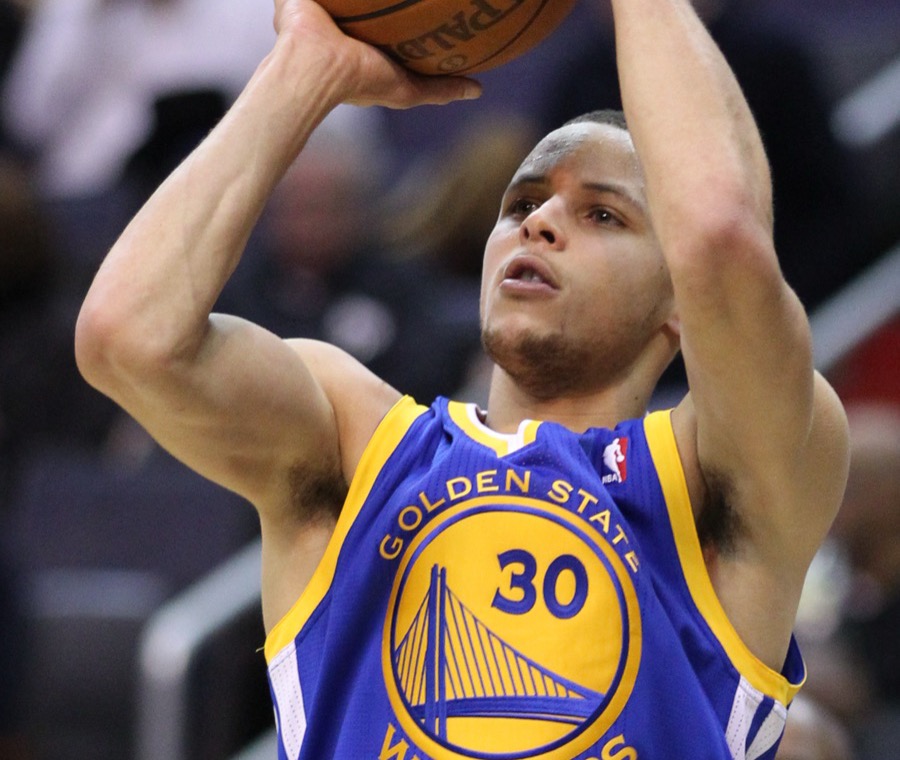
Stephen Curry turns 39 during the 2026-27 season. You do not tank around Stephen Curry. Not because it is impossible on a spreadsheet, but because it is impossible in a building where he is still the best shooter alive and the crowd has bought tickets. The organization has said, repeatedly and in public, that it is not doing a teardown. Whether you believe that is a philosophy or a hostage situation is a matter of taste.
So the old math was cruel. Under the previous system, the reward curve pointed straight down: to get the meaningful odds, you had to be genuinely terrible, and Golden State was never going to be genuinely terrible on purpose. A team stuck at 32 wins was not tanking successfully. It was just losing, with worse odds than the teams that had committed to the bit.
The new math inverts that.
The zone the Warriors are most likely to occupy, bad enough to miss the play-in but not bad enough to be a punchline, is now the single best place in the lottery to stand. Eight point one percent. Better odds than the teams that gutted the roster. Better odds than the teams that shut down three starters in March and called it load management.
Golden State's least-avoidable outcome became its optimal one. Nobody at the league office was thinking about the Warriors when they drew this up, and that is sort of the point: the rule was written to punish a behavior the Warriors were structurally incapable of, which means it can only help them.
The honest limits of the gift#
Eight point one percent is still eight point one percent. Nine times in ten, it does nothing. This is not a plan; it is a better lottery ticket, and the plural of lottery ticket is still not "rebuild."
Two other things worth saying out loud before anybody gets excited:
Flattened odds cut both ways. If the Warriors do end up in that middle tier for three or four years, they are drawing 8.1 percent every year and probably picking somewhere between seven and twelve every year. That is a fine way to accumulate rotation players. It is a poor way to acquire the one player who makes the next decade make sense. Nobody has ever flattened their way to a franchise center.
The no-repeat clauses are a ceiling, not just a floor. If Golden State does hit, they cannot hit again the following year, and a third straight top-five pick is off the table entirely. The system is built to spread stars around, which by definition means it is built to stop any one team from stacking them. Including this one, eventually, if the rebuild ever works.
The kicker#
For twenty years the incentive in this league ran one direction: if you are not good, be as bad as you can stand, and be it quickly. Every fan base learned to root against its own team in March and pretend that was strategy.
The league just put a floor under that, and then put a trapdoor under the floor.
What is left, for a team like this one, is the least fashionable plan in professional sports: keep the old guy, win what you can, finish somewhere between disappointing and respectable, and take the best odds in the building while you do it.
Wait til next year, in other words. It used to be a punchline.
It is now, at 8.1 percent, the highest-percentage play on the board.
Sources: NBA Board of Governors approval and lottery structure via NBA.com and the league's lottery explainer; reform analysis and the consecutive-pick restrictions via ESPN and CBS Sports. Odds are computed from the published ball distribution: 37 total balls across 16 lottery teams.